

Study in the UK from Bangladesh 2026–27: Costs, Visa Funds, Scholarships and Step-by-Step Guide

Costs, visa funds, English requirements, GREAT scholarships, a 10-step application roadmap and the Graduate visa.

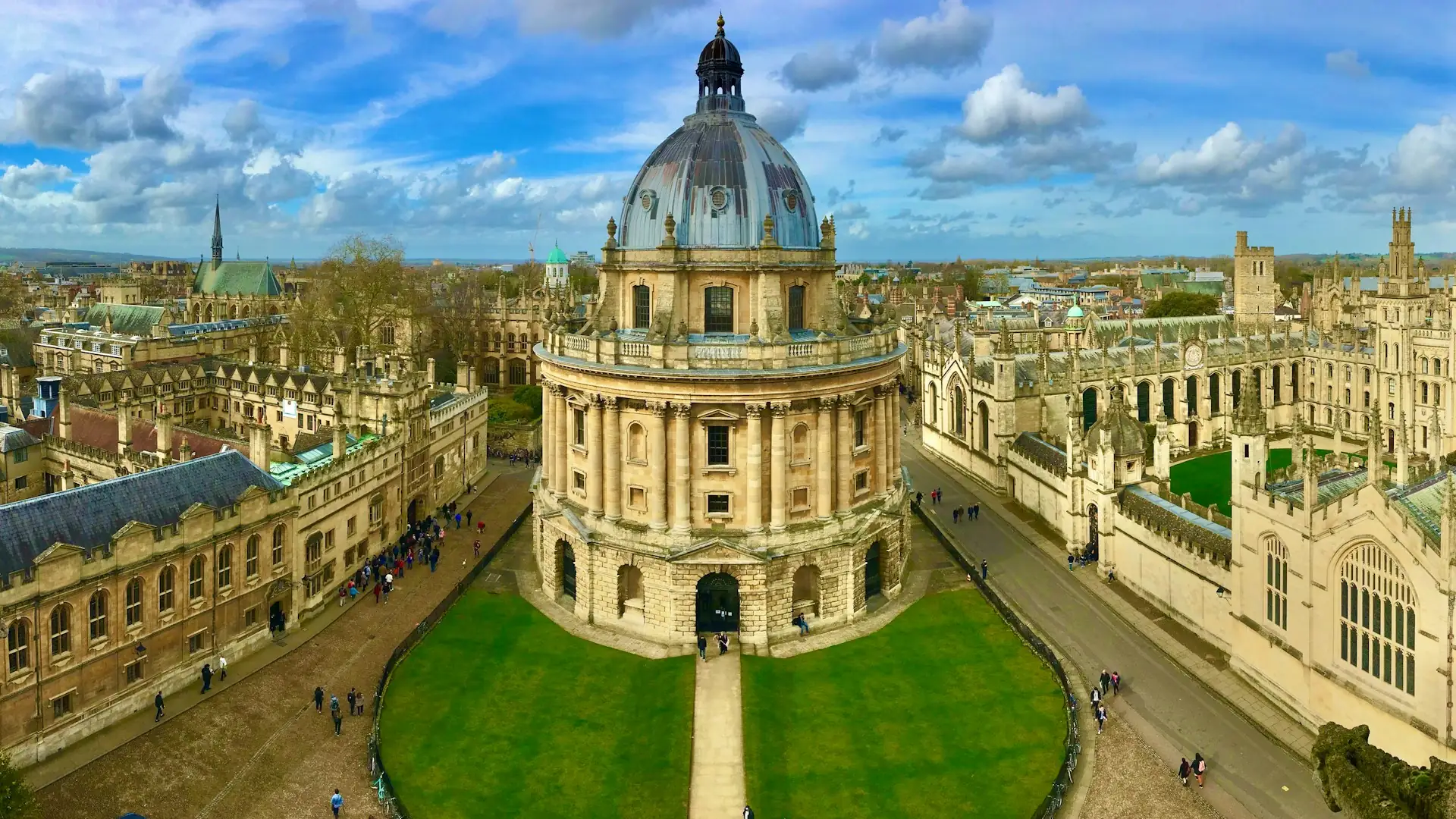
Radcliffe Camera, University of Oxford
Quick answer

To study in the UK from Bangladesh you need an offer and a CAS from a licensed university, usually IELTS 6.0–6.5 (or an accepted alternative), and funds held for 28 consecutive days. Maintenance funds are £1,529 a month in London or £1,171 elsewhere for up to 9 months (rising to £1,570 and £1,203 for applications from 30 November 2026), plus the £558 visa fee and £776 health surcharge per year. A decision from outside the UK usually takes about 3 weeks. Typical tuition is £9,000–£38,000 a year.

£558Student visa fee from outside the UK
£776Health surcharge per year of visa
9 moLiving costs to show in your bank
28 daysYou must hold the funds
Check before you rely on any figure

Visa fees, funds and scholarship rules change. These figures were checked against GOV.UK and the British Council on 9 October 2026.

What’s new for 2026–27

Visa funds go up on 30 November 2026

The monthly living-cost requirement rises from £1,529 to £1,570 in London and from £1,171 to £1,203 elsewhere, for applications made on or after that date.

Graduate visa gets shorter for later applicants

Graduates who apply on or before 31 December 2026 get 2 years. From 1 January 2027 most get 18 months. PhD graduates get 3 years.

GREAT Scholarships 2026–27

£10,000 towards tuition for eligible Bangladeshi students on selected one-year taught postgraduate courses.

How much you must show for the visa

Where you will liveBefore 30 Nov (a month)From 30 Nov (a month)9 months, now9 months, from 30 Nov
London£1,529£1,570£13,761£14,130
Outside London£1,171£1,203£10,539£10,827

Sources: GOV.UK; Statement of Changes HC 584 (3 September 2026). Add any unpaid first-year tuition shown on your CAS.

Why Bangladeshi students choose the UK

Many bachelor’s degrees in England, Wales and Northern Ireland take three years, and many taught master’s degrees take just one. A shorter course usually means lower living costs and an earlier start to your career. Scotland follows a different undergraduate structure, so check each course page.

Graduation caps at a UK ceremony

Students also value the wide choice of subjects, the international classroom, research-led teaching, scholarships and the Graduate visa that can follow your studies.

Pick your intake

Main intake. The widest choice of courses and the most scholarship options. Start preparing at least a year ahead.

Secondary intake. Available for selected courses only. A good option if you need extra time for IELTS or documents.

Limited intake. Offered on a small number of programmes. Check the university website for availability.

Eligibility and English requirements

  • Bachelor’s: HSC or an equivalent qualification.
  • Master’s: a relevant bachelor’s degree.
  • English: usually IELTS 6.0–6.5, or an equivalent PTE or TOEFL score.
  • Some courses also ask for maths or science subjects, work experience, a portfolio or an interview.

English score checker

Typical: IELTS 6.0–6.5, PTE 59–63, TOEFL iBT 80–90
Is IELTS always compulsory?

Not always. Some universities accept PTE, TOEFL, previous education taught in English or another approved test. The university decides whether a Medium of Instruction letter counts, so ask before you assume.

What it really costs

CostIn poundsApprox. in taka (৳165 per £1)
Bachelor’s tuition (a year)£11,400–£38,000৳18.8–62.7 lakh
Master’s tuition (a year)£9,000–£30,000৳14.9–49.5 lakh
Living outside London (a month)£900–£1,300৳1.5–2.1 lakh
Living in London (a month)£1,300–£1,400৳2.1–2.3 lakh
Student visa fee£558৳92,000
Health surcharge (a year)£776৳1.28 lakh

Taka figures use about ৳165 per £1 (late October 2026). Rates move every day. Other first-year costs include the TB test, flights and an accommodation deposit.

A realistic planning range

Many first-year students plan roughly ৳30–70 lakh, and more for expensive courses or London. Compare the total first-year cost, not only tuition.

First-year cost and visa funds calculator

Three choices, two answers. A planning estimate, not an official quote.
Where you will study
Course length
Estimated first-year total

Money to show for the visa

Want a counsellor to check these numbers for your university?

How it works: living costs of £1,100 a month outside London or £1,400 in London; the £558 visa fee; the health surcharge of £776 a year, charged for the whole visa (a 1-year course gets about 16 months of visa, so £1,164); and about £1,500 of one-off costs such as the TB test, flights and a deposit. Visa money assumes no tuition is paid yet and uses the monthly rate that applies today. Converted at ৳165 per £1.

Proving your money to UKVI

  1. Work out the amountMonthly maintenance (London or outside London) for up to 9 months, plus any course fees still due on your CAS.
  2. Hold it for 28 days in a rowThe money must stay available for at least 28 consecutive days.
  3. Keep the dates tightThe 28-day period must end within 31 days of the date you submit your visa application.
  4. Match your documentsNames, dates and amounts on your passport, CAS and bank evidence should all be consistent.

Scholarships: what is realistic

£10,000 towards tuition for one-year taught postgraduate courses. You need a Bangladeshi passport, permanent residence in Bangladesh, an undergraduate degree and the university’s English requirement. You apply through the university. Participating universities for 2026–27 are Cranfield, Leeds Arts, Keele, Manchester, Ulster, East Anglia, Glasgow, Hull and Portsmouth. Deadlines differ by university.

Many universities run their own merit awards and discounts. Check the international scholarships page of every university on your shortlist and apply early.

£10,000 is not a full scholarship

Accommodation, food, visa costs and other expenses are still yours to cover. Plan your budget as if the award were a bonus.

Your 10-step application roadmap

  1. Choose your courseStart with the subject and career you want.
  2. Check entry requirementsGrades, English score and any course-specific extras.
  3. Shortlist universitiesCompare fees, location, modules, scholarships and housing.
  4. Prepare documentsPassport, transcripts, English evidence, statement, references and CV.
  5. ApplyUndergraduate usually through UCAS; postgraduate directly to the university.
  6. Receive and meet your offerConditional offers list what you still need to provide.
  7. Get your CASIssued by the university; you need it for the visa.
  8. Prepare visa documentsPassport, CAS, financial evidence and a TB test for courses of six months or more.
  9. Apply onlineDecisions from outside the UK usually take about three weeks.
  10. Plan travel and housingAround your course start date and visa conditions.

Document checklist

Tick each item when it is ready. Your progress is saved on this device.

Documents ready?

Our counsellors check every document before you submit, free of charge.

Start my UK applicationBook free counselling

Mistakes to avoid

  • Applying with a CAS that has wrong details. Check every name and date.
  • Moving money into your account too late to hold it for 28 consecutive days.
  • Relying on an old visa guide. Check GOV.UK shortly before you apply.
  • Choosing a course on tuition alone and ignoring living costs in the city.

Frequently asked questions

Can I apply to a UK bachelor’s degree after HSC?
Yes, for suitable undergraduate programmes, depending on the entry requirements of the course.
How much money should I plan for the first year?
Many students plan roughly ৳30–70 lakh. Your figure depends on tuition, city and the exchange rate. Use the calculator.
How much bank balance do I need for the Student visa?
Your unpaid first-year tuition plus £1,529 a month in London or £1,171 elsewhere, for up to 9 months. From 30 November 2026 these rise to £1,570 and £1,203. Funds must stay in your account for 28 consecutive days.
How much does the Student visa cost?
£558 from outside the UK, plus the Immigration Health Surcharge of £776 for each year of visa.
How long does a visa decision take?
Usually about 3 weeks from outside the UK, though times can vary. You can apply up to 6 months before your course starts.
Is IELTS mandatory?
Not always. Some courses accept other tests or prior English-medium education. Confirm with the university.
Do I need a TB test?
Generally for courses of six months or more, taken at a Home Office-approved clinic.
Can I work while studying?
Eligible degree-level students can generally work up to 20 hours a week in term time, subject to their visa conditions. Treat it as extra support, not the plan for paying tuition.

Talk it through with a counsellor.

Free, one to one, in our Baridhara office or by phone.

Book free counselling
Read next

More guides.

Study abroad tipsFamily fund calculator (BDT)Spouse visa document checklistVisa process step tracker

স্পাউস বা পরিবারসহ উচ্চশিক্ষা: ২০২৭ সালের সেরা ৫টি দেশ এবং ভিসা প্রসেসিং গাইড

স্বামী বা স্ত্রীকে সাথে নিয়ে বিদেশে পড়তে চান? ২০২৬-এর নতুন নিয়ম মিলিয়ে কানাডা, নিউজিল্যান্ড, জার্মানি, ফিনল্যান্ড ও যুক্তরাষ্ট্রের স্পাউস ভিসা, কাজের অধিকার, বাড়তি টাকার হিসাব ও প্রসেসিং গাইড।

Study abroad tipsStudy gap checkerCountry comparison table

HSC বা অনার্সের পর পড়াশোনায় গ্যাপ? ২ থেকে ১০ বছরের গ্যাপ নিয়েও যেসব দেশে পড়া সম্ভব, আর কীভাবে

২, ৫ বা ১০ বছরের স্টাডি গ্যাপ নিয়ে কোন দেশে ব্যাচেলর বা মাস্টার্স সম্ভব, ভিসা অফিসার কী দেখেন আর কোন প্রমাণে গ্যাপ শক্তি হয়ে ওঠে। গ্যাপ চেকার ও দেশভিত্তিক তুলনাসহ।

University AdmissionsDocument checklist

সাইপ্রাস February 2027 Intake: কাগজপত্র জমা ও টিউশন ফি পরিশোধের শেষ তারিখ ৪ ডিসেম্বর

UCLan Cyprus, Mesoyios College ও University of Nicosia-তে February 2027 intake-এর আবেদন চলছে। শেষ তারিখ, প্রমাণসহ বিশ্ববিদ্যালয়ের ইমেইল, কী কী করবেন আর কোন কাগজপত্র লাগবে।

Popular subjects

Universities we work with

Figures are indicative and change often. Your counsellor confirms current fees and rules.

In 4 days · 31 Oct

South Korea Spot Assessment Day 2026

Global Vision office, Baridhara J Block, Dhaka. Free entry, seats are limited.

See event details