
দেশে না বিদেশে পড়াবেন? বাংলাদেশি অভিভাবকদের জন্য ইনভেস্টমেন্ট তুলনা
বাংলাদেশি অভিভাবকদের জন্য ন্যায্য তুলনা: দেশে বা বিদেশে পড়ার সিদ্ধান্তে খরচ, মান, চাকরির সম্ভাবনা, ঝুঁকি ও পারিবারিক সাপোর্ট।
A first 30 days checklist for students abroad: university registration, SIM, bank account, health cover, address and safety basics.
 Global Vision
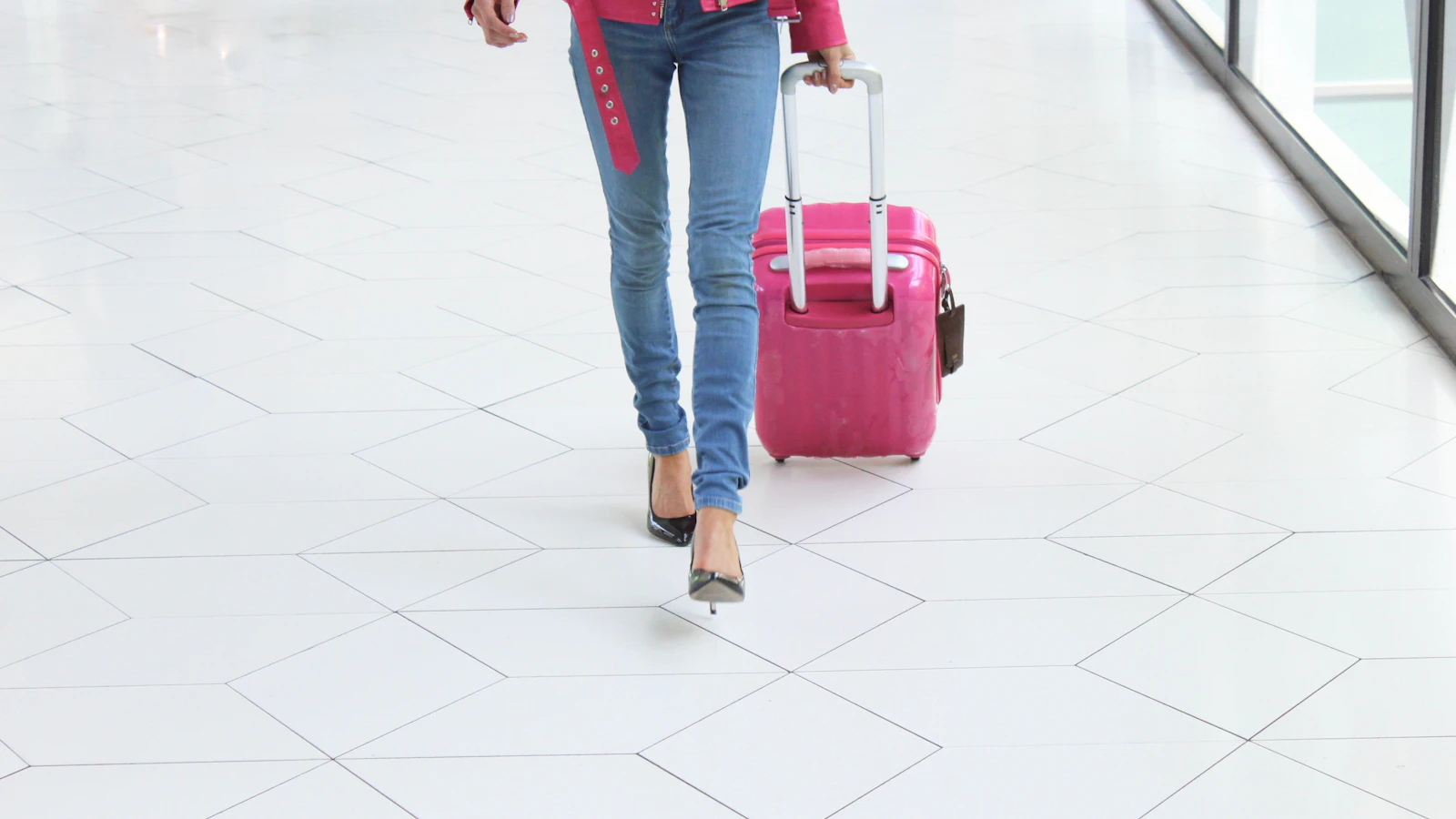
In your first 30 days, register with your university, set up a local SIM and bank account, confirm health cover, report your address if required, and learn your campus and transport. Do these in order, and keep digital copies of every document.
The first month decides how smoothly the rest of your degree goes. This week-by-week guide covers the 5 jobs most students need to finish, university, phone, bank, health and address, with practical tips for each, a first-month budget plan and the mistakes new students often make.
Go to the enrolment or registration session your university gives you, and bring your passport, visa and offer documents. Many universities check your immigration documents at this stage. If your country issues a residence permit card or uses a digital immigration status, follow the official instructions to collect or set it up in the first weeks. Ask for a student status letter at the same time, because banks and other offices often need one.
A local number makes almost everything easier, from banking codes to job applications. A prepaid SIM is the simplest start, because it needs no credit history and you can change later. Save your university’s security number, the local emergency number and your family’s numbers before you need them. Never share one-time codes sent to your phone with anyone who calls you.
Most banks ask for your passport, visa or residence document, and proof of address or a university letter. Some offer student accounts that you can open online. Until your account is ready, use your Bangladeshi international card carefully and check its fees and exchange rate. Avoid carrying large amounts of cash, and do not let anyone else use your account, even a friend.
Check what your health cover includes, whether it is a national health system, a compulsory student policy or private insurance. In some countries you need to register with a local doctor before you can book appointments, so do it while you are well. Find the nearest pharmacy and the university’s health or counselling service, and keep a short note of any medicines you take.
Some countries require you to register your address with a local office within a short period after you arrive, and some ask you to report changes later. Check your destination’s rules on the official government or university arrival page. Update your address with your university and bank, and make sure your family knows where you live.
Store your passport and original documents in a safe place, carry digital copies in your phone and a printed copy in your bag, and share your address with one family member.
The first month usually costs more than later ones. You may pay a deposit, buy bedding and kitchen items, a transport card and textbooks. Write down every expense for the first four weeks, then set a realistic monthly budget from what you actually spent. Student discounts on transport, phone plans and software can make a real difference, so ask before you pay full price.
Feeling tired, homesick or lost in the first weeks is normal. Join the orientation events, a student society and, if you like, a Bangladeshi or South Asian student group. Keep a simple routine with regular meals and sleep. If low mood lasts, speak to your university’s student support or counselling service early.
Often you need a letter from your university or proof of address, so it may take a few days.
It helps for banking and transport, so most students get one in the first week.
Save the local emergency number and your university security number before you need them.
Only within your visa’s work rules, and many students wait until they have settled into their studies. Check the conditions on your visa before you accept any job.
Report it to the local police, tell your university and contact the Bangladesh embassy or high commission for a replacement. Copies of your documents will make this much easier.
Sources: university arrival guides and government student information. Requirements differ by country, so check your university’s arrival page.
Free, one to one, in our Baridhara office or by phone.
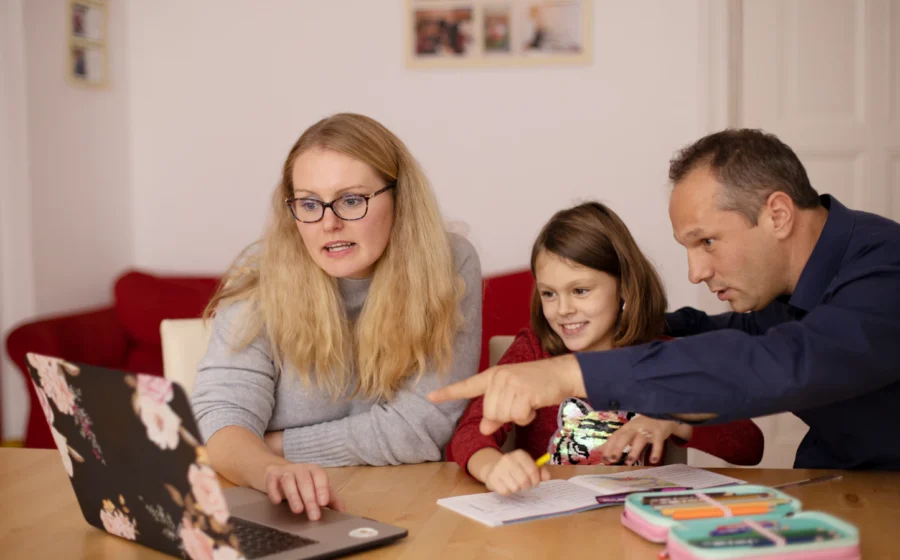 Study abroad tipsদেশ বনাম বিদেশ তুলনা শিটরিটার্ন অন ইনভেস্টমেন্টের প্রশ্ন
বাংলাদেশি অভিভাবকদের জন্য ন্যায্য তুলনা: দেশে বা বিদেশে পড়ার সিদ্ধান্তে খরচ, মান, চাকরির সম্ভাবনা, ঝুঁকি ও পারিবারিক সাপোর্ট।
Study abroad tipsHome vs abroad comparison sheetReturn on investment questionsA fair comparison for Bangladeshi parents: cost, quality, job prospects, risk and family support when choosing between study at home and abroad.
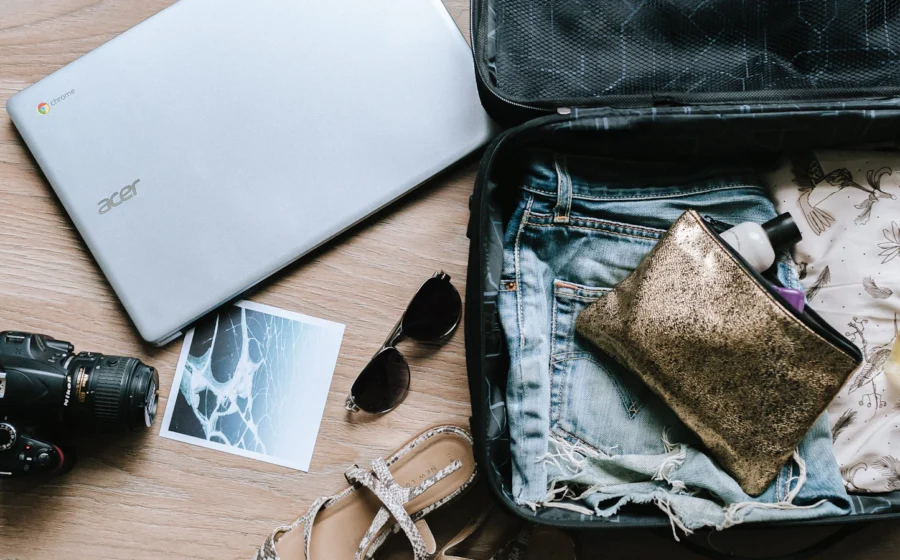 Study abroad tips৯০ দিনের কাউন্টডাউন প্ল্যানারপ্যাকিং চেকলিস্ট
বাংলাদেশি স্টুডেন্টদের জন্য ৯০ দিনের প্রি-ডিপার্চার কাউন্টডাউন: অ্যাকোমোডেশন, ফান্ড, ইন্স্যুরেন্স, ডকুমেন্ট, ফ্লাইট ও প্যাকিং ৩ ধাপে।