
দেশে না বিদেশে পড়াবেন? বাংলাদেশি অভিভাবকদের জন্য ইনভেস্টমেন্ট তুলনা
বাংলাদেশি অভিভাবকদের জন্য ন্যায্য তুলনা: দেশে বা বিদেশে পড়ার সিদ্ধান্তে খরচ, মান, চাকরির সম্ভাবনা, ঝুঁকি ও পারিবারিক সাপোর্ট।
10 questions Bangladeshi parents should ask before sending a child abroad to study: cost, safety, visa, health, readiness and the plan after graduation.
 Global Vision

Before sending your child abroad, ask about the total cost, the course and university quality, safety, visa and work rules, health cover, your child’s readiness, the funding source, contact plans, and the plan after graduation. Decide together and in writing.
Sending a child abroad is one of the biggest decisions a family makes. These 10 questions help you decide with facts and calm, not pressure or fear. For each one, we explain what a good answer looks like, followed by the 3 conversations every family should have before the application goes in.
1. Total cost. A written figure for every year of the course, not just the first, with tuition, rent, food, transport, health cover, visa and flights, plus a buffer for price rises and exchange rate changes.
2. Course fit. Your child can explain why this subject, what they will learn and what kind of work it leads to. A famous name matters less than a course that matches their strengths.
3. Funding. You know which savings, income or assets will pay for each year, and you have the papers that show where the money came from. Nobody has suggested borrowed balances or false documents.
4. Visa and work rules. You have read the official rules together, including how many hours a student may work and what happens if a visa is refused. You have a plan B for a refusal.
5. Safety. You have looked at the city, the area around the campus and the housing option, ideally university accommodation for the first year, and you know how your child will travel at night.
6. Health cover. You know whether cover comes from a national system, a compulsory student policy or private insurance, what it includes, and how your child will find a doctor.
7. Independence. Your child can cook simple meals, manage a monthly budget, use online banking and ask for help from strangers. If not, practise these at home in the months before departure.
8. Contact and emergencies. You have agreed on how often to talk, who to call if your child cannot be reached, and where copies of documents are kept.
9. If the plan does not work. You have talked openly about changing course, taking a break or coming home, so your child does not hide problems out of fear of disappointing you.
10. After graduation. You share realistic expectations about jobs, post-study visas and coming home, rather than assuming quick success or permanent residence.
Children who feel heard are more open about problems abroad. Agree on a budget, a contact routine and what to do if money or health becomes difficult.
As early as possible, ideally a year or more before the intake, so that funds, tests and documents are ready.
Start with the course and goal, then compare countries on cost, rules and outcomes.
Safety depends on the city, housing and habits. Research carefully and plan together.
Yes, where possible. Hearing the same information as your child avoids misunderstandings about costs, rules and expectations.
Look at the facts together: entry requirements, costs and career outcomes of each option. A course your child is motivated to study usually leads to better results.
Sources: official visa authority and university guidance. Rules and costs change, so verify on the official websites.
Free, one to one, in our Baridhara office or by phone.
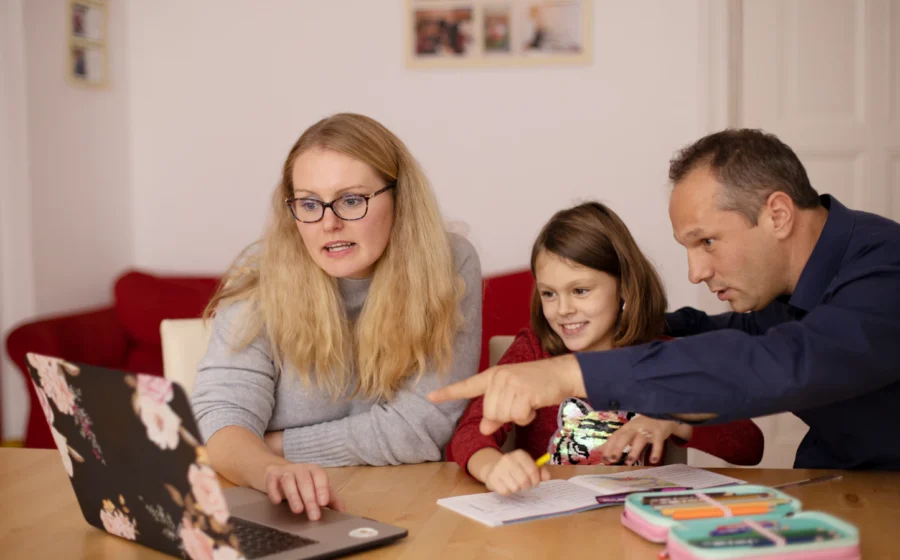 Study abroad tipsদেশ বনাম বিদেশ তুলনা শিটরিটার্ন অন ইনভেস্টমেন্টের প্রশ্ন
বাংলাদেশি অভিভাবকদের জন্য ন্যায্য তুলনা: দেশে বা বিদেশে পড়ার সিদ্ধান্তে খরচ, মান, চাকরির সম্ভাবনা, ঝুঁকি ও পারিবারিক সাপোর্ট।
Study abroad tipsHome vs abroad comparison sheetReturn on investment questionsA fair comparison for Bangladeshi parents: cost, quality, job prospects, risk and family support when choosing between study at home and abroad.
 Study abroad tips৯০ দিনের কাউন্টডাউন প্ল্যানারপ্যাকিং চেকলিস্ট
বাংলাদেশি স্টুডেন্টদের জন্য ৯০ দিনের প্রি-ডিপার্চার কাউন্টডাউন: অ্যাকোমোডেশন, ফান্ড, ইন্স্যুরেন্স, ডকুমেন্ট, ফ্লাইট ও প্যাকিং ৩ ধাপে।