
দেশে না বিদেশে পড়াবেন? বাংলাদেশি অভিভাবকদের জন্য ইনভেস্টমেন্ট তুলনা
বাংলাদেশি অভিভাবকদের জন্য ন্যায্য তুলনা: দেশে বা বিদেশে পড়ার সিদ্ধান্তে খরচ, মান, চাকরির সম্ভাবনা, ঝুঁকি ও পারিবারিক সাপোর্ট।
A parent’s reality check on student safety abroad: cities, housing, transport, emergency numbers and 6 habits that reduce risk.
 Global Vision
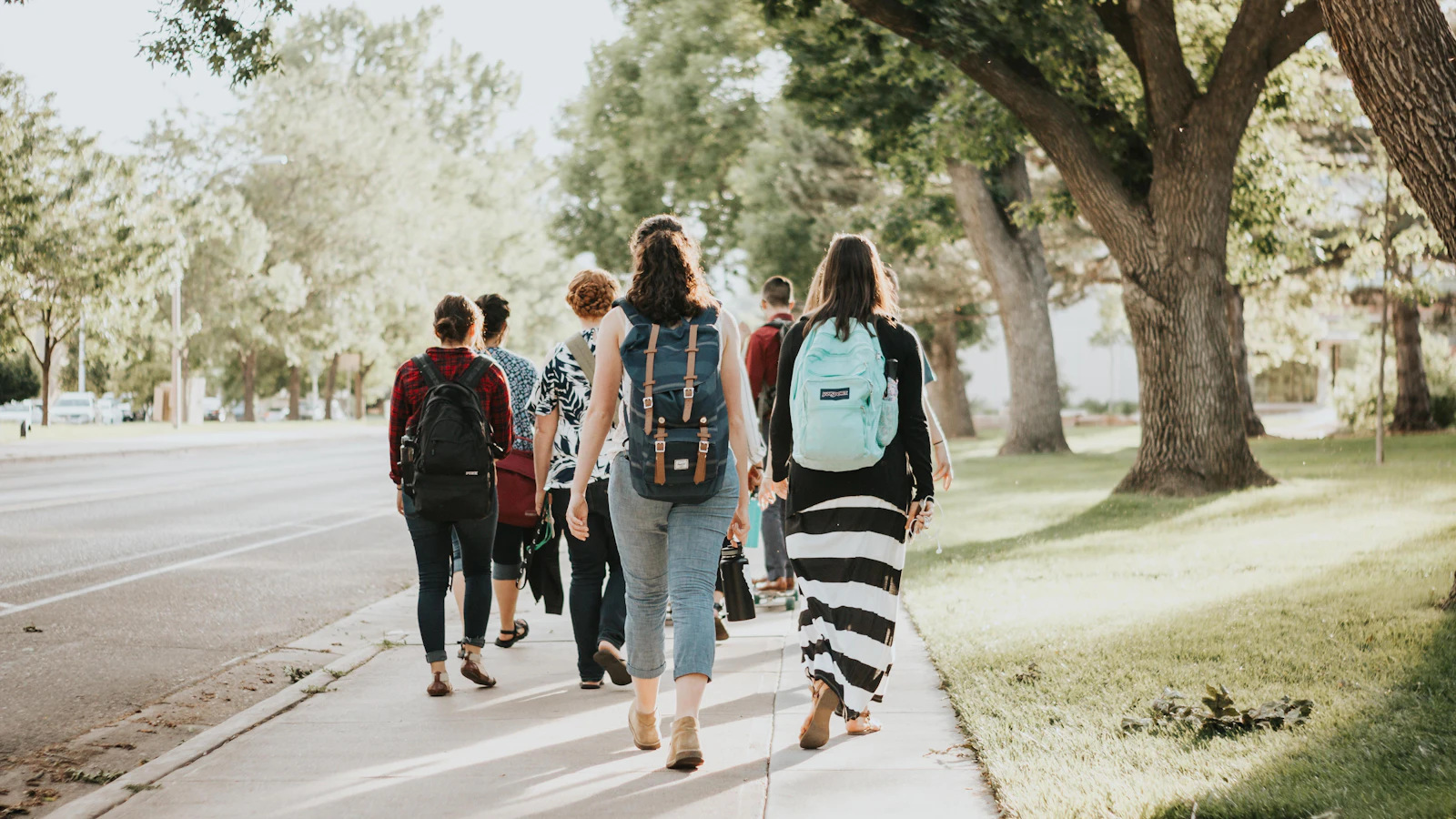
Safety depends more on the city, the area, the housing and daily habits than on the country name. Check university safety services, choose verified housing, learn local emergency numbers and agree on simple safety routines with your child.
Parents see news headlines and imagine the worst. The truth is more practical: most students live safely, and the risks that exist can be reduced with 6 simple habits. This guide explains what to check about a city, the everyday risks that matter more than headlines, safety online and at work, and how to support your child without becoming overprotective.
Official police or city websites often publish local crime information, and most universities describe their campus security service and night transport on their websites. Current students can also tell you which streets or stations they avoid at night.
Many problems today start on a phone, not on the street. Remind your child never to share bank codes or passport photos with strangers, to check any job or room offer through official channels, and to be careful with people who ask for money or personal details soon after meeting online. If a message creates panic and urgency, it is usually a scam.
A legal part-time job within visa rules is safer than a cash job that breaks them. Your child should have a contract or written terms, be paid at least the legal minimum, and never hand over their passport to an employer. If something feels wrong, the university’s student advice service can help.
Ask your child what worries them, agree on a few routines and review them after the first month.
There is no single answer. Compare cities, areas and housing rather than relying on country rankings alone.
It is often easier to verify, but you should still visit or take a video tour.
Contact the university security or wellbeing team and the local emergency service immediately.
Usually a copy or a local ID is enough for daily life, but some countries require you to carry identification. Check the local rule and keep the original in a safe place.
A safe job follows the visa’s work rules, comes with written terms and pays legally. Be careful with cash-only jobs, unpaid trials or anyone who asks for a fee to give work.
Sources: official travel and student safety guidance of destination countries and universities. Conditions change, so check current advice.
Free, one to one, in our Baridhara office or by phone.
 Study abroad tipsদেশ বনাম বিদেশ তুলনা শিটরিটার্ন অন ইনভেস্টমেন্টের প্রশ্ন
বাংলাদেশি অভিভাবকদের জন্য ন্যায্য তুলনা: দেশে বা বিদেশে পড়ার সিদ্ধান্তে খরচ, মান, চাকরির সম্ভাবনা, ঝুঁকি ও পারিবারিক সাপোর্ট।
Study abroad tipsHome vs abroad comparison sheetReturn on investment questionsA fair comparison for Bangladeshi parents: cost, quality, job prospects, risk and family support when choosing between study at home and abroad.
 Study abroad tips৯০ দিনের কাউন্টডাউন প্ল্যানারপ্যাকিং চেকলিস্ট
বাংলাদেশি স্টুডেন্টদের জন্য ৯০ দিনের প্রি-ডিপার্চার কাউন্টডাউন: অ্যাকোমোডেশন, ফান্ড, ইন্স্যুরেন্স, ডকুমেন্ট, ফ্লাইট ও প্যাকিং ৩ ধাপে।