
Study at Home or Abroad? A Parent’s Investment Comparison for Bangladeshi Families
A fair comparison for Bangladeshi parents: cost, quality, job prospects, risk and family support when choosing between study at home and abroad.
What parents should know about student health cover abroad: what it covers, how to use it, emergency numbers and a simple emergency plan.
 Global Vision

Check what health cover your child has in the destination country, how to register with a doctor, what is covered, and which emergency number to call. Keep policy details, a medical summary and emergency contacts saved on your phone and with the family.
The fear of a sick child far away is real. A short plan with 4 parts turns that fear into steps your family can follow. This guide also explains how student health cover works in popular countries, what to prepare before departure, where to go for different problems, and what parents can do from home.
In Europe and other destinations, rules differ by country and university, so read the official guidance for your destination.
Delaying care can make illness worse and more costly. Use the university health service or the local doctor early.
Some systems are free at the point of care, while with some insurance plans your child pays first and claims back later. Keep every receipt and medical note, and read how claims work before your child needs to make one.
Stay calm on the phone and help your child decide where to go. If your child is seriously ill, the university’s student support team can often help with communication, academic arrangements and accommodation. If you may need to travel, check the visa rules for parents early, because a visit visa can take time.
Many countries include or require it, but systems differ, so check your destination.
It depends on the plan. Ask about counselling and therapy specifically.
Ask your doctor and the destination rules about carrying and refilling them.
Often only partly, or not at all. A dental check before departure can prevent expensive treatment abroad.
Medical information is usually private to the patient. Your child can give permission for a family member to be informed, so agree on this in advance.
Sources: government and university health cover guidance for students. This is general information, not medical advice.
Free, one to one, in our Baridhara office or by phone.
 Study abroad tipsHome vs abroad comparison sheetReturn on investment questions
A fair comparison for Bangladeshi parents: cost, quality, job prospects, risk and family support when choosing between study at home and abroad.
Study abroad tipsদেশ বনাম বিদেশ তুলনা শিটরিটার্ন অন ইনভেস্টমেন্টের প্রশ্নবাংলাদেশি অভিভাবকদের জন্য ন্যায্য তুলনা: দেশে বা বিদেশে পড়ার সিদ্ধান্তে খরচ, মান, চাকরির সম্ভাবনা, ঝুঁকি ও পারিবারিক সাপোর্ট।
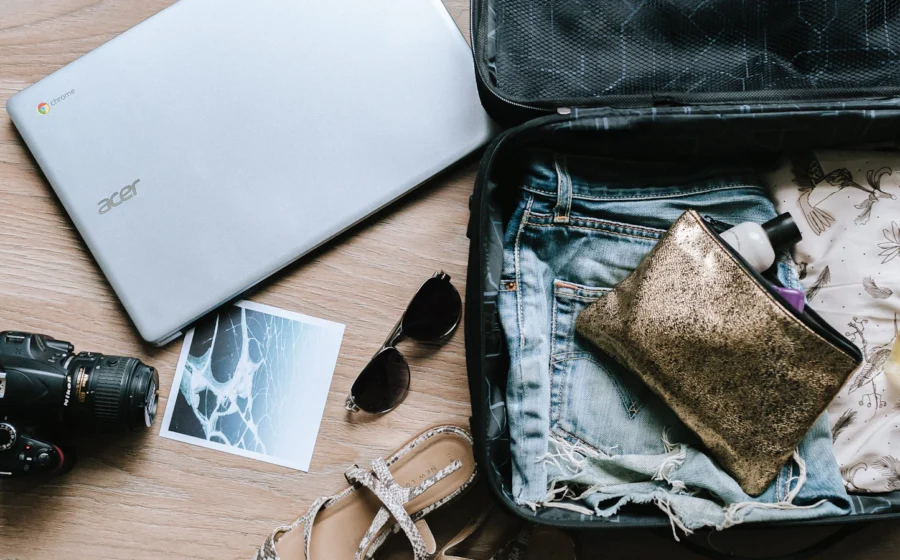 Study abroad tips৯০ দিনের কাউন্টডাউন প্ল্যানারপ্যাকিং চেকলিস্ট
বাংলাদেশি স্টুডেন্টদের জন্য ৯০ দিনের প্রি-ডিপার্চার কাউন্টডাউন: অ্যাকোমোডেশন, ফান্ড, ইন্স্যুরেন্স, ডকুমেন্ট, ফ্লাইট ও প্যাকিং ৩ ধাপে।