
দেশে না বিদেশে পড়াবেন? বাংলাদেশি অভিভাবকদের জন্য ইনভেস্টমেন্ট তুলনা
বাংলাদেশি অভিভাবকদের জন্য ন্যায্য তুলনা: দেশে বা বিদেশে পড়ার সিদ্ধান্তে খরচ, মান, চাকরির সম্ভাবনা, ঝুঁকি ও পারিবারিক সাপোর্ট।
A calm 5-step plan for parents when a child’s student visa is refused: reading the letter, protecting money, deciding together and what to avoid.
 Global Vision

If your child’s visa is refused, stay calm, read the refusal letter, identify the exact reason, protect your money and documents, and decide together whether to fix and reapply, change the plan or pause. Never turn to fake papers.
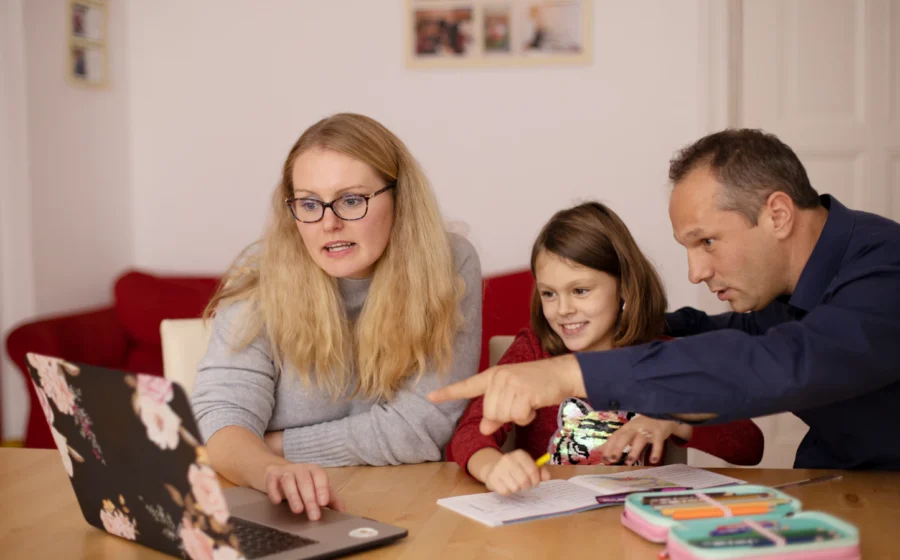
A refusal hurts the whole family. But your reaction in the first days matters a lot. This 5-step plan helps you move from shock to a clear decision, with what each step involves, what to say to your child, how to handle the money already paid, and how to choose between reapplying, changing the plan or pausing.
1. Pause and support. For the first day or two, focus on your child, not the file. Many students feel ashamed and worry they have wasted the family’s money. Hearing that you are on their side helps them think clearly again.
2. Read the letter together. The refusal letter names the reasons, and sometimes says whether a review or appeal is possible and by when. Read it slowly and underline each reason. If the language is difficult, ask an adviser to explain it, but do not rely on guesses.
3. Check the money. Ask the university about refunding any deposit under its refund policy, and check your written agreement for any agency fee. Keep the refusal letter, receipts and bank papers together, because refunds usually need them.
4. Understand the weak points. A trusted adviser or the university can help you match each reason to a part of the file, such as funds, the study plan or documents. Be wary of anyone who blames the refusal on bad luck and asks for a large fee to “guarantee” the next attempt.
5. Decide together. Choose one of the three options below as a family, with your child taking an active part. A decision your child believes in is more likely to succeed.
Offers of a “guaranteed second attempt” are common after a refusal. False documents can create a long ban. An honest slower path is safer.
A different country can be a good choice when the new plan genuinely fits your child better, for example a course that matches their background or a budget the family can document comfortably. Remember that many visa forms ask about refusals anywhere in the world, so your child must declare the earlier refusal honestly and show what has changed.
Only after you fix the cause. Reapplying with the same file often gives the same result.
It depends on the written terms of the university and agent. Ask in writing.
Listen first, avoid blame and remind them that one refusal does not define their future.
Many universities can defer a place or issue new documents for a later start. Ask the admissions office as soon as possible.
Read the reasons in the letter. If funds or their source were questioned, look at how the money is documented before the next application.
Sources: official visa authority guidance and university refund policies. Rules differ by country, so confirm with the official source.
Free, one to one, in our Baridhara office or by phone.
 Study abroad tipsদেশ বনাম বিদেশ তুলনা শিটরিটার্ন অন ইনভেস্টমেন্টের প্রশ্ন
বাংলাদেশি অভিভাবকদের জন্য ন্যায্য তুলনা: দেশে বা বিদেশে পড়ার সিদ্ধান্তে খরচ, মান, চাকরির সম্ভাবনা, ঝুঁকি ও পারিবারিক সাপোর্ট।
Study abroad tipsHome vs abroad comparison sheetReturn on investment questionsA fair comparison for Bangladeshi parents: cost, quality, job prospects, risk and family support when choosing between study at home and abroad.
 Study abroad tips৯০ দিনের কাউন্টডাউন প্ল্যানারপ্যাকিং চেকলিস্ট
বাংলাদেশি স্টুডেন্টদের জন্য ৯০ দিনের প্রি-ডিপার্চার কাউন্টডাউন: অ্যাকোমোডেশন, ফান্ড, ইন্স্যুরেন্স, ডকুমেন্ট, ফ্লাইট ও প্যাকিং ৩ ধাপে।