Fake Agents and Study Abroad Scams: 7 Warning Signs for Bangladeshi Students

7 warning signs of fake study abroad agents in Bangladesh, how to verify an offer letter and what to do if you have already paid.

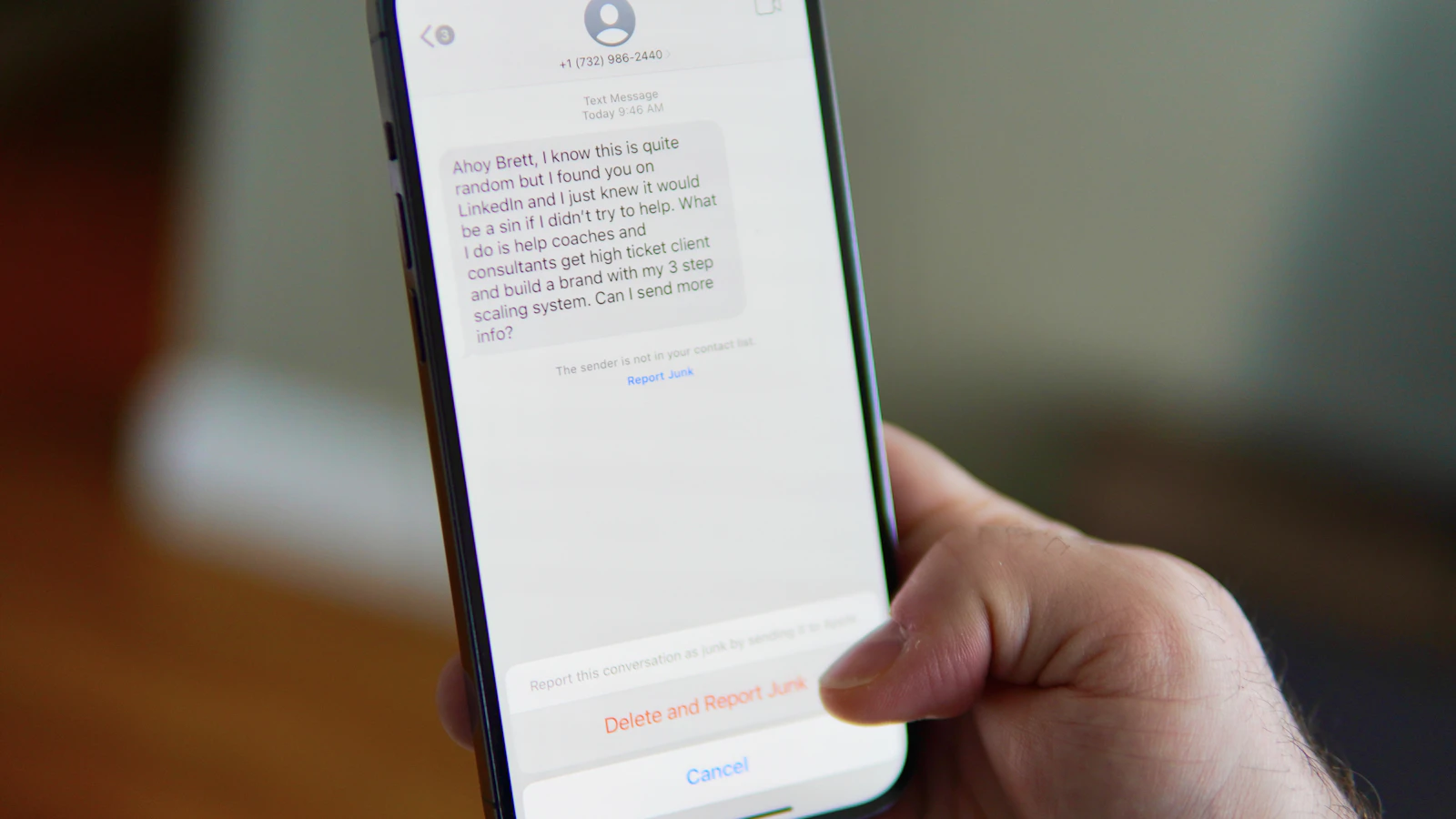
Person checking a suspicious message on a phone
Quick answer

Walk away if an agent guarantees a visa, asks you to pay into a personal account, keeps your original documents, or gives an offer letter you cannot verify on the university’s own portal. Real universities and visa offices never sell guaranteed outcomes.

বাংলায় পড়ুন

Every year, families lose savings to people who promise a sure visa. Scammers are polite, fast and very convincing, so the safest habit is to check the facts yourself. This guide explains how the common scams work, the 7 signs that should make you stop, how to check an agent before you sign, and what to do if you have already paid.

7warning signs covered in this guide
3places to verify any offer: portal, email and official agent list
0visas any agent can guarantee
1rule: pay only to official accounts

How these scams usually work

Most scams follow a few familiar scripts. Knowing them makes it much easier to spot one early.

  • The sure-visa package: a large fee for a “guaranteed” visa, often paid in instalments, with excuses and new charges each time a step is delayed.
  • The fake offer letter: a letter with a real university’s logo but no application in your name on the university’s own portal.
  • The job-with-study promise: a student visa sold as a way to work full-time abroad. A student visa is for study, and work rules are limited.
  • The diverted deposit: tuition or a deposit paid to a personal account “for faster processing” that never reaches the university.
  • The embassy contact: someone who claims to know an officer and charges extra to speed up a decision. Visa decisions cannot be bought.

The 7 warning signs

  • They guarantee a visa or a scholarship. Only the visa office and the awarding body decide.
  • They ask you to pay into a personal bank or mobile wallet account instead of the university’s official account.
  • They keep your original certificates or passport “for processing”.
  • They push you to pay quickly because “seats are closing today”.
  • They offer an offer letter without a real application in your name, or without asking for your real documents.
  • They suggest false bank statements, fake experience letters or edited transcripts.
  • They cannot show a written agreement with clear fees and refund terms.
Fake documents can end your study abroad plans

A forged bank statement or certificate can lead to a long ban from visa applications. Never agree to false papers, even if the agent says it is “common”.

How to check an agent before you sign

  • Visit the office in person and note the full address. Be careful with anyone who works only through social media or messaging apps.
  • Ask which universities the agency officially represents, then check the university’s own website or email its admissions office to confirm.
  • If the agency mentions an accreditation, check it on the accrediting body’s own website, not on a certificate in the office.
  • Ask for the fee list and refund terms in writing, on the agency’s letterhead, before you pay anything.
  • Speak to former students if you can, and check whether their stories match what you are being told.

How to verify an offer letter in 3 steps

  • Log in to the university application portal yourself and check that your application and offer appear there.
  • Email the university admissions office using the address on its official website, not the one on the letter.
  • Check whether the agent appears on the university’s official representative list.

Pay the right people the right way

Tuition and deposits should go to the university’s official account through your bank. Visa fees are paid through the government’s official visa website or its official visa application centre, never to a middleman. Ask for a receipt for every payment, including any service fee you pay an agency, and keep it with your documents.

Questions to ask any agent

  • Which universities do you officially represent, and how can I check that myself?
  • What exactly does your fee cover, and what will I pay separately?
  • What happens to my money if my application or visa is refused?
  • Will I have my own login to the university portal?
  • Who will check my documents, and will you ever change them?

Checklist before you pay anyone

If you have already paid

Collect receipts, chat messages and the agreement. Report to the university, the nearest police station and the consumer rights authority, and tell your family so no one else sends money. Acting early improves the chance of recovery.

  • Stop any further payments, whatever new reason you are given.
  • If you paid by bank transfer or card, contact your bank at once and ask what it can do.
  • Take screenshots of social media pages and phone numbers before they disappear.
  • Write down dates, amounts and names while you still remember them clearly.
Is every education agent a scam?

No. Many agents are honest. The point is to verify every claim and pay only through official channels.

Can an agent really guarantee admission?

No agent can guarantee a visa. Admission is decided by the university and the visa by the government.

Should I keep copies of everything?

Yes. Keep digital and printed copies of your agreement, receipts and all messages.

Someone offers me a full-time job abroad with a student visa. Is that real?

Be very careful. A student visa is for study, and the work allowed is limited by the rules of each country. Anyone selling a job through a study visa is a serious warning sign.

Is it normal to pay an agency a service fee?

Some agencies charge a service fee and some do not. Either way, it should be written down, with a receipt and clear refund terms, and it must be separate from tuition and visa fees.

Can someone speed up my visa for extra money?

No. Visa offices make decisions under their own rules. Anyone who claims to speed up a decision for extra money is a scam.

Sources: university admissions and agent-verification pages, government visa guidance and consumer protection advice. Always confirm on the official website of the university and the visa office.

Talk it through with a counsellor.

Free, one to one, in our Baridhara office or by phone.

Book free counselling
Read next

More guides.

Study abroad tipsদেশ বনাম বিদেশ তুলনা শিটরিটার্ন অন ইনভেস্টমেন্টের প্রশ্ন

দেশে না বিদেশে পড়াবেন? বাংলাদেশি অভিভাবকদের জন্য ইনভেস্টমেন্ট তুলনা

বাংলাদেশি অভিভাবকদের জন্য ন্যায্য তুলনা: দেশে বা বিদেশে পড়ার সিদ্ধান্তে খরচ, মান, চাকরির সম্ভাবনা, ঝুঁকি ও পারিবারিক সাপোর্ট।

Study abroad tipsHome vs abroad comparison sheetReturn on investment questions

Study at Home or Abroad? A Parent’s Investment Comparison for Bangladeshi Families

A fair comparison for Bangladeshi parents: cost, quality, job prospects, risk and family support when choosing between study at home and abroad.
Study abroad tips৯০ দিনের কাউন্টডাউন প্ল্যানারপ্যাকিং চেকলিস্ট

যাওয়ার আগের ৯০ দিনের কাউন্টডাউন: বাংলাদেশি স্টুডেন্টদের প্রি-ডিপার্চার টাইমলাইন

বাংলাদেশি স্টুডেন্টদের জন্য ৯০ দিনের প্রি-ডিপার্চার কাউন্টডাউন: অ্যাকোমোডেশন, ফান্ড, ইন্স্যুরেন্স, ডকুমেন্ট, ফ্লাইট ও প্যাকিং ৩ ধাপে।

Popular subjects

Universities we work with

Figures are indicative and change often. Your counsellor confirms current fees and rules.

In 15 days · 2 Dec

Study in Canada Spot Assessment Day 2026

Global Vision office, Baridhara J Block, Dhaka. Free entry, seats are limited.

See event details